Modern Farming Methods: Why Aquaponics Stands Out as the Superior Choice
Growing your own produce is no longer strictly bound to traditional soil and heavy garden tools. Modern agricultural innovations now provide farming options that are noticeably cleaner, space-efficient, and highly effective.
Traditional vs. Modern Farming
- Traditional Soil Farming: Relies entirely on dirt. It demands sizable plots of land, remains vulnerable to weather fluctuations, and requires constant effort to manage soil-borne pests and weeds.
- Modern Soilless Farming: Eliminates soil completely. It allows precise control over nutrient delivery, reduces water consumption by up to 90%, and fits effortlessly into compact urban spaces.
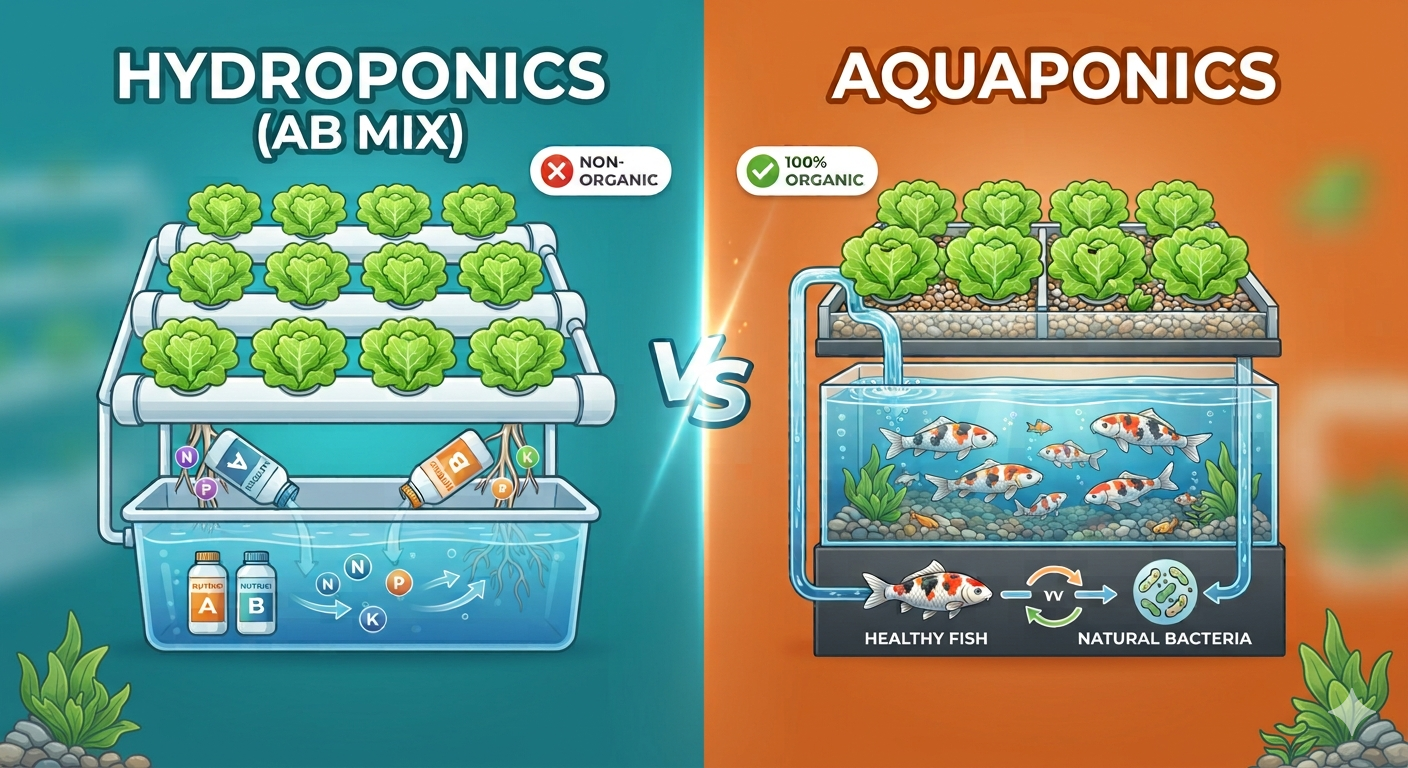
Hydroponics vs. Aquaponics: Synthetic Feeding vs. Natural Ecosystems
While both hydroponics and aquaponics operate without soil, their primary distinction lies in how nutrients are supplied:
Why Aquaponics Represents the Ultimate System
While hydroponics delivers fast growth, its reliance on manufactured chemical powders and routine water disposal prevents it from being a fully sustainable solution.
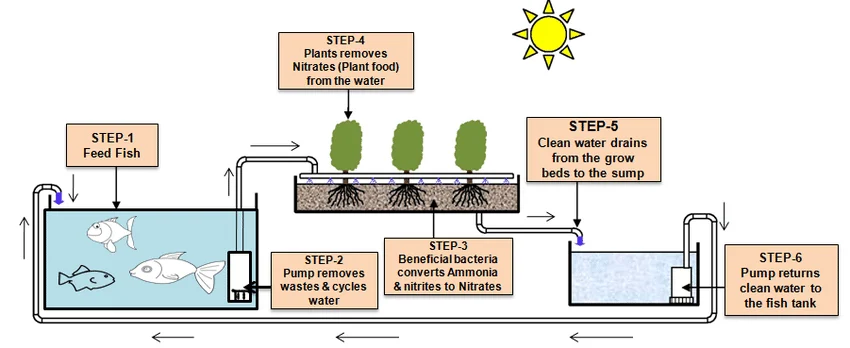
Aquaponics serves as the natural evolution of modern farming. By integrating fish cultivation and plant growth into a single balanced ecosystem, the system runs smoothly on natural processes. The fish provide vital nutrients for the plants, and the plants continuously filter the water back to the fish. The result is 100% pure organic produce, zero synthetic chemicals, and a bonus harvest of fresh fish—making it the cleanest and most rewarding way to grow food today.